Sectoral Focus

At Grassroots Researchers Association (GRA), our work is anchored in the Humanitarian-Development-Peace (HDP) Nexus, which unifies emergency humanitarian assistance, long-term development initiatives, and community-led peacebuilding into a single, cohesive framework. Under our 2025–2030 Strategic Plan, our specialized thematic pillars are designed to address the interconnected vulnerabilities facing marginalized populations across Northern Nigeria and the Middle Belt. By combining rigorous, evidence-based field research with direct, dignified service delivery, we ensure that every intervention moves communities seamlessly from crisis survival to enduring self-reliance and social justice.

General Protection

michael-ali-0LZjRuipr20-unsplash

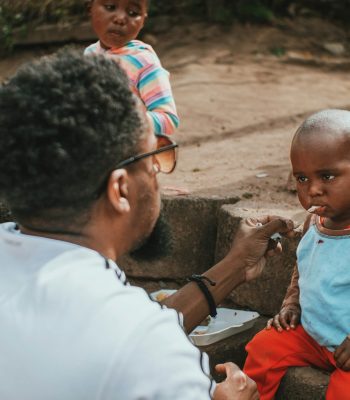
GRA safeguards the rights, dignity, and safety of vulnerable, marginalized, and conflict-affected communities in accordance with International Humanitarian Law. Through community-led protection monitoring and human rights reporting, we identify risks early to deliver continuous risk analysis, legal assistance, civil documentation support, and Housing, Land, and Property (HLP) counseling. We provide specialized child protection interventions—including family tracking, reunification for unaccompanied children, anti-recruitment advocacy, and youth mental health support—alongside complete Gender-Based Violence (GBV) care pathways featuring safe spaces for women and girls, clinical management of rape, integrated psychosocial care, and rapid referral networks.
Food Security

agric

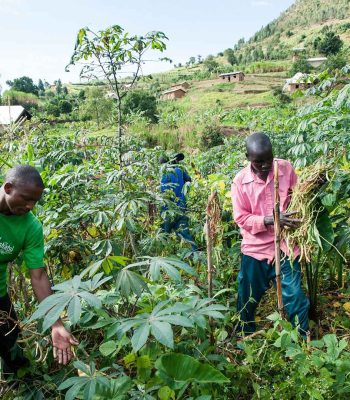
GRA eradicates immediate hunger, protects vulnerable livelihoods, and builds climate-resilient local food systems through data-backed grassroots interventions. During acute crises, we deploy emergency food assistance using in-kind food rations, flexible cash transfers, and food vouchers to help families meet their immediate dietary needs. Simultaneously, we empower smallholder farmers and pastoralists by distributing high-yield seeds, farming tools, irrigation support, and veterinary care to protect local production, while offering income-generating activities, local market integration, and business training to foster sustainable self-reliance against future shocks.

Health care

portrait-woman-working-healthcare-system-as-pediatrician

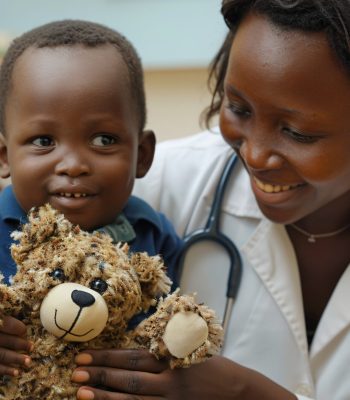
Under the Health Pillar, GRA expands access to life-saving medical care and strengthens health systems in underserved and crisis-affected communities by deploying mobile health teams and supporting primary health clinics. We prioritize maternal, neonatal, and reproductive health rights by delivering essential obstetric and comprehensive clinical services. Furthermore, we provide mental health and psychosocial support (MHPSS)—including community counseling, psychological first aid, and specialized trauma recovery—while training local healthcare workers in real-time epidemic monitoring, rapid outbreak containment, and mass vaccination campaigns to mitigate communicable disease threats.

Education in Emergency

child-education1

GRA ensures that children and youth caught in emergencies maintain safe, continuous access to inclusive, protective, and quality education. We support holistic development by establishing safe early-learning spaces and equipping parents with positive caregiving skills under Early Childhood Development (ECD). To care for the whole student, we set up temporary learning centers, rehabilitate classrooms, supply learning kits, and train teachers in trauma-informed instruction and positive discipline, while offering accelerated academic catch-up programs, life skills, and vocational pathways for out-of-school youth.

Anticipatory Action

climate-change

GRA addresses the root causes of instability through community-anchored peacebuilding, human-rights-centered security reform, and accessible justice systems, working alongside local leaders, security forces, and judicial institutions. We foster social cohesion by facilitating community mediation, tracking conflict early warning indicators, and running Disarmament, Demobilization, and Reintegration (DDR) programs. Concurrently, we promote security sector governance through democratic oversight, community policing, and arms control, while expanding access to legal aid, integrating customary law with formal systems, and advancing transitional justice and penal reform.

Conflict, Security and Justice

human-right

Grassroots Researchers Association (GRA) was inaugurated in Maiduguri, Borno State, in 2009 as a response to the insurgency in northeastern Nigeria. The organization was formally registered with the federal Corporate Affairs Commission in 2016. It was initially conceived as a flexible association of independent grassroots researchers from different professions and backgrounds across the country’s six geopolitical zones. This collective was engaged in the monitoring and documentation of Nigeria’s perennial intra-communal conflicts and religious disputes. The goal was to create an evidence-driven resource for the government, development partners, and scholars to make informed decisions on sustainable solutions to pressing problems. Although, having grown in organizational size and thematic scope, this is where GRA still derives its inspiration, strength and objectives till date.